Surface preparation is one of the most important steps in any flooring project, especially in Newcastle. Before hybrid flooring, vinyl planks, engineered timber or hardwood flooring can perform properly, the subfloor needs to be clean, sound, dry and level. Proper surface preparation in Newcastle is essential for avoiding issues later on. If this stage is rushed, even a high-quality floor can end up with movement, gaps, hollow sounds, uneven wear or installation problems.
What is surface preparation for flooring?
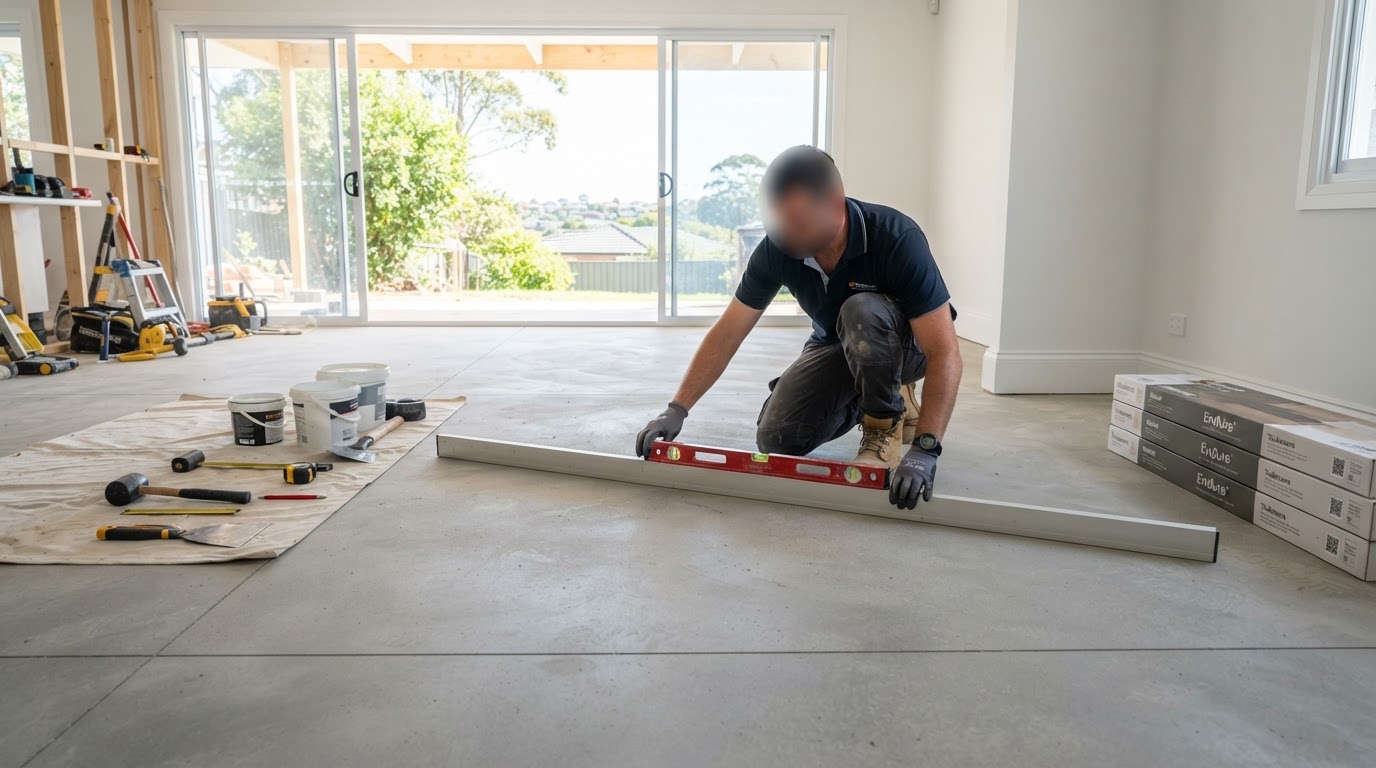
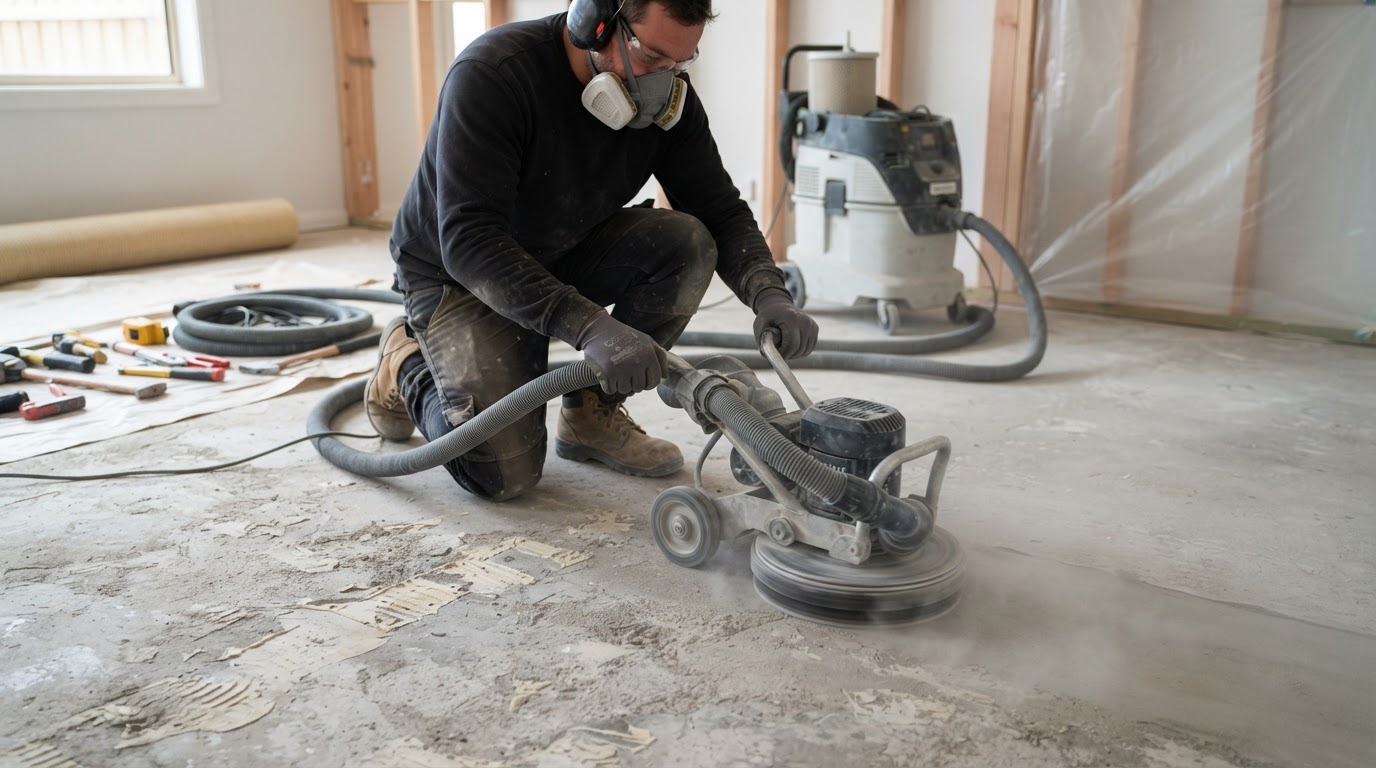
Surface preparation is the process of getting the existing floor or subfloor ready for a new flooring system. It can include removing old floor coverings, cleaning adhesive residue, grinding concrete, patching cracks, checking moisture, levelling uneven areas and making sure the surface is suitable for the product being installed.
For Newcastle homes, surface preparation can vary from a simple clean and inspection through to more detailed floor levelling or concrete grinding. The right approach depends on the age of the property, the existing floor, the chosen flooring product and the condition of the subfloor underneath.
Why subfloor preparation matters
New flooring is only as good as the surface beneath it. Hybrid flooring, vinyl planks, engineered timber and hardwood floors all have installation requirements. If the subfloor is uneven, contaminated or damp, the finished floor may not sit, lock, bond or perform the way it should.
A well-prepared subfloor helps your new floor look better, feel more stable and last longer. It can also reduce the risk of future issues that are far more expensive to fix once the flooring has already been installed.
Common subfloor problems in Newcastle homes
Every property is different, but there are several surface issues that commonly appear before a flooring installation. Some are obvious, while others are only found after the existing floor is lifted.
- Uneven concrete slabs that need grinding, patching or levelling.
- Old adhesive residue from carpet, vinyl, tiles or previous floor coverings.
- Moisture concerns that need to be checked before installation begins.
- Cracks, chips or damaged areas that need repair before the new floor is installed.
- Timber subfloors with movement that may need fixing, sanding or strengthening.
- High and low spots that can affect floating floors and glue-down products.
Surface preparation for hybrid flooring
Hybrid flooring is a popular option for busy Newcastle homes because it is durable, stylish and water resistant. However, it still needs a flat and stable subfloor. If the surface has dips or high points, the locking system can be placed under stress, and the finished floor may feel uneven underfoot.
Before hybrid flooring is installed, the subfloor should be assessed for flatness, cleanliness and suitability. Levelling work may be needed if the slab or existing base is outside the manufacturer’s recommended tolerances.
Surface preparation for vinyl plank flooring
Vinyl plank flooring can be very practical, but it is also sensitive to the condition of the surface underneath. Glue-down vinyl in particular can show imperfections from the subfloor if preparation is not handled correctly.
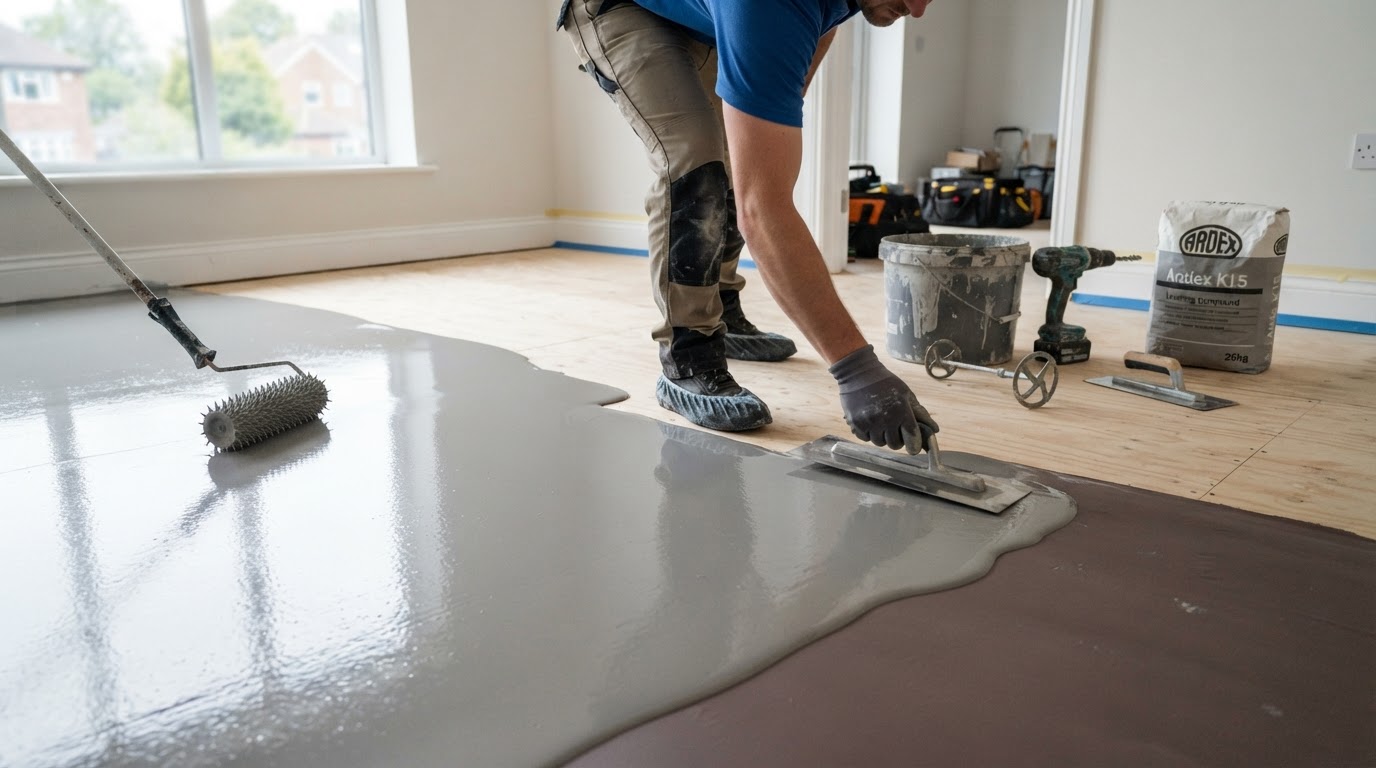
For vinyl planks, preparation may include smoothing rough concrete, removing old adhesive, applying primer and using levelling compounds where required. A clean and even base helps the planks bond correctly and gives the finished floor a neater appearance.
Surface preparation for timber flooring
Timber flooring products need careful preparation because timber responds to site conditions. Moisture, movement and unevenness can all affect the final result. Whether you are considering engineered timber flooring or hardwood flooring, the subfloor should be checked before installation begins.
Depending on the flooring system, preparation may involve moisture testing, sanding, levelling, fixing loose boards, checking ventilation or preparing concrete for adhesive systems.
What happens if surface preparation is skipped?
Skipping surface preparation can lead to visible and structural problems. Some issues may appear immediately, while others develop after the floor has been lived on for a few weeks or months.
- Floating floors may click, move or separate.
- Glue-down products may not bond correctly.
- Imperfections can telegraph through vinyl planks.
- Moisture may affect adhesives or flooring materials.
- Doors, trims and transitions may not line up neatly.
- The finished floor may look uneven or feel unstable.
In many cases, fixing these problems later means removing sections of the finished floor. That is why surface preparation is not an optional extra; it is part of doing the job properly.
How professionals assess a subfloor
A professional flooring installer will look at more than the surface appearance. They may check for flatness, moisture, movement, contamination, cracking, adhesion risks and compatibility with the flooring product. The assessment helps determine whether the floor needs grinding, patching, priming, levelling or other preparation before installation.
This step also helps with accurate quoting. Once the existing floor covering is removed and the subfloor is inspected, the preparation requirements become clearer.
Is surface preparation worth the cost?
Yes. Surface preparation protects the investment you are making in your new floor. While it can add to the upfront cost, it often saves money by reducing the risk of installation failure, premature wear and avoidable repairs.
It also gives you a better finish. A flatter, cleaner and more stable base helps the flooring sit properly, which improves the look and feel of the completed room.
Need surface preparation in Newcastle?
Get Leveled Flooring provides professional surface preparation in Newcastle for homeowners planning new hybrid, vinyl, engineered timber or hardwood flooring. A properly prepared subfloor helps your new floor perform as intended from day one.
Planning a flooring project? Contact Get Leveled Flooring to arrange advice on subfloor preparation and installation options for your home.
FAQs about flooring surface preparation
Do all floors need surface preparation?
Most flooring projects need some level of preparation. Even if the subfloor looks clean, it should still be checked for flatness, moisture, movement and product compatibility.
Can new flooring be installed over old flooring?
Sometimes, but it depends on the existing flooring, the new product and the condition of the surface. Installing over unsuitable flooring can create height, movement and adhesion problems.
What is floor levelling?
Floor levelling is the process of correcting uneven areas so the subfloor meets the requirements of the new flooring. It may involve grinding high spots, filling low spots or applying a levelling compound.
Why is moisture testing important?
Moisture can affect adhesives, timber products and some flooring systems. Testing helps identify potential issues before installation begins, reducing the risk of future problems.
Understanding the significance of Surface Preparation Newcastle can lead to better results in your flooring project.
